FIND YOUR NEXT STEP
Search RUILED
The stage concept has been approved. Now the event team needs to know how the display reaches the venue, how its parts form the shape, and how the content is ready when rehearsal begins. A good-looking rendering leaves those working questions open.
For rental companies and event integrators, the buying decision includes the crew’s next setup and the one after that. Use these six questions to turn a visual brief into a configuration you can review before ordering.
In this guide
1. Is the shape defined well enough to build a layout?
An inspiration image communicates the visual idea, but it may not show dimensions, surface divisions or the viewing faces. Send a dimensioned outline with the overall width and height, curves, corners, openings and content surfaces marked.
Ask for the proposed cabinet arrangement and identify which parts are standard and which are specific to that layout. A product shown in one shape should not be assumed to produce every other shape without a new review.
What to check: Request a layout drawing linked to the quoted cabinet types, with the required viewing side identified.
2. Who is responsible for supporting the display?
Ground-supported, mounted and suspended installations create different planning questions. Identify the proposed support method and who designs, supplies and approves the structure.
Share the stage plan, access restrictions, working height, power locations and available service space. Have the responsible installation professionals review the relevant drawings. A product photograph does not confirm structural suitability for your venue.
What to check: Assign structure, lifting, power, signal and installation responsibilities before approving the equipment scope.
3. Can your crew follow the proposed assembly sequence?
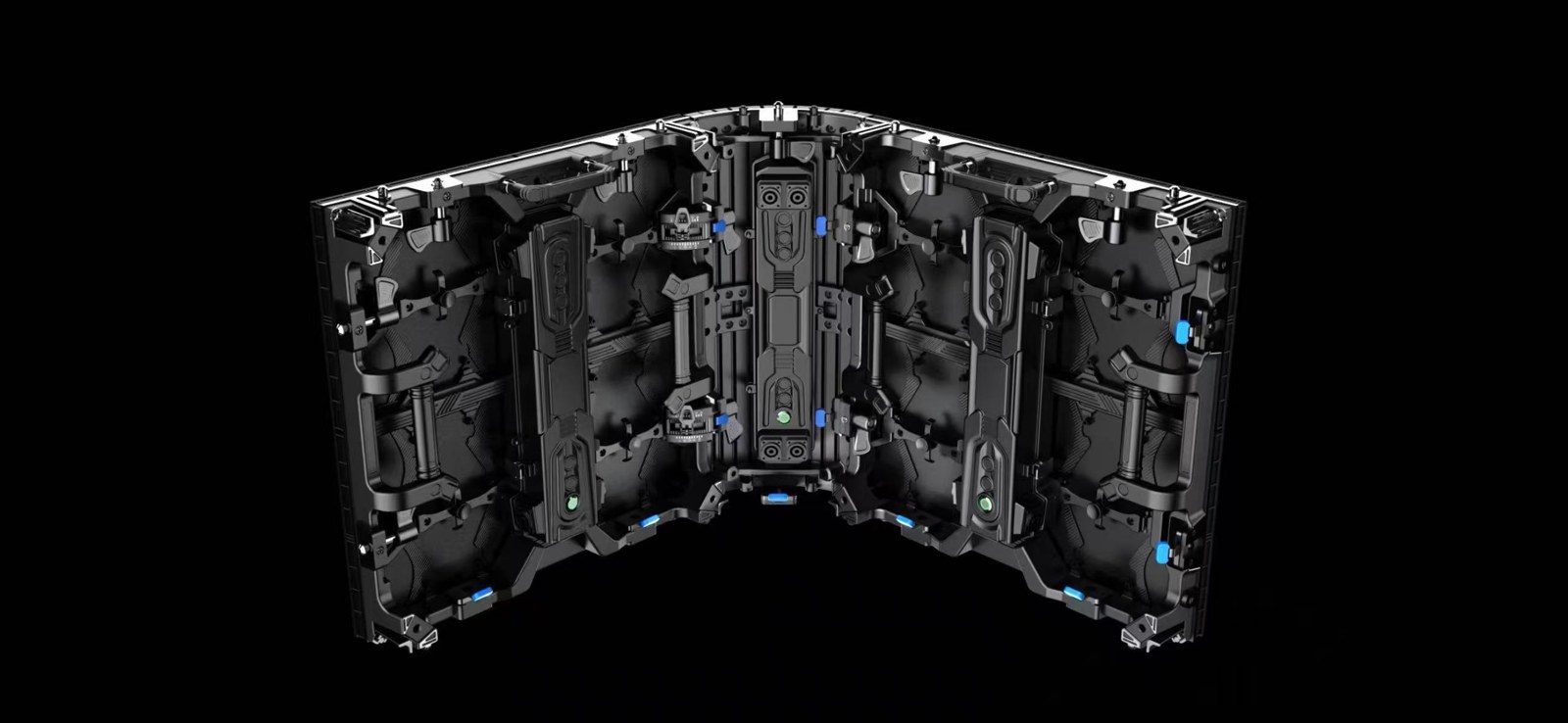
Ask how the cabinets connect, how the outline is aligned and which tools or additional components are required. Review access to connectors and the sequence for assembly, testing and dismantling.
Explain the setup process you expect, including handling and storage between events. Ask which components are reusable across other proposed layouts and which must travel with this specific shape.
What to check: Request assembly references, a component list and the checks your crew should complete during setup.
4. How will the content follow the shape?
A display can have the correct outline while the content brief remains unresolved. Share sample visuals and explain how they should appear across segments, circular surfaces or multiple faces.
Ask for the pixel layout and content-mapping requirements of the selected configuration. Agree who prepares the content, who operates the control system and which equipment is included. A demonstration of another layout is only a reference.
What to check: Agree a content review or display test relevant to the selected layout where it forms part of the order scope.
5. What arrives in each case?
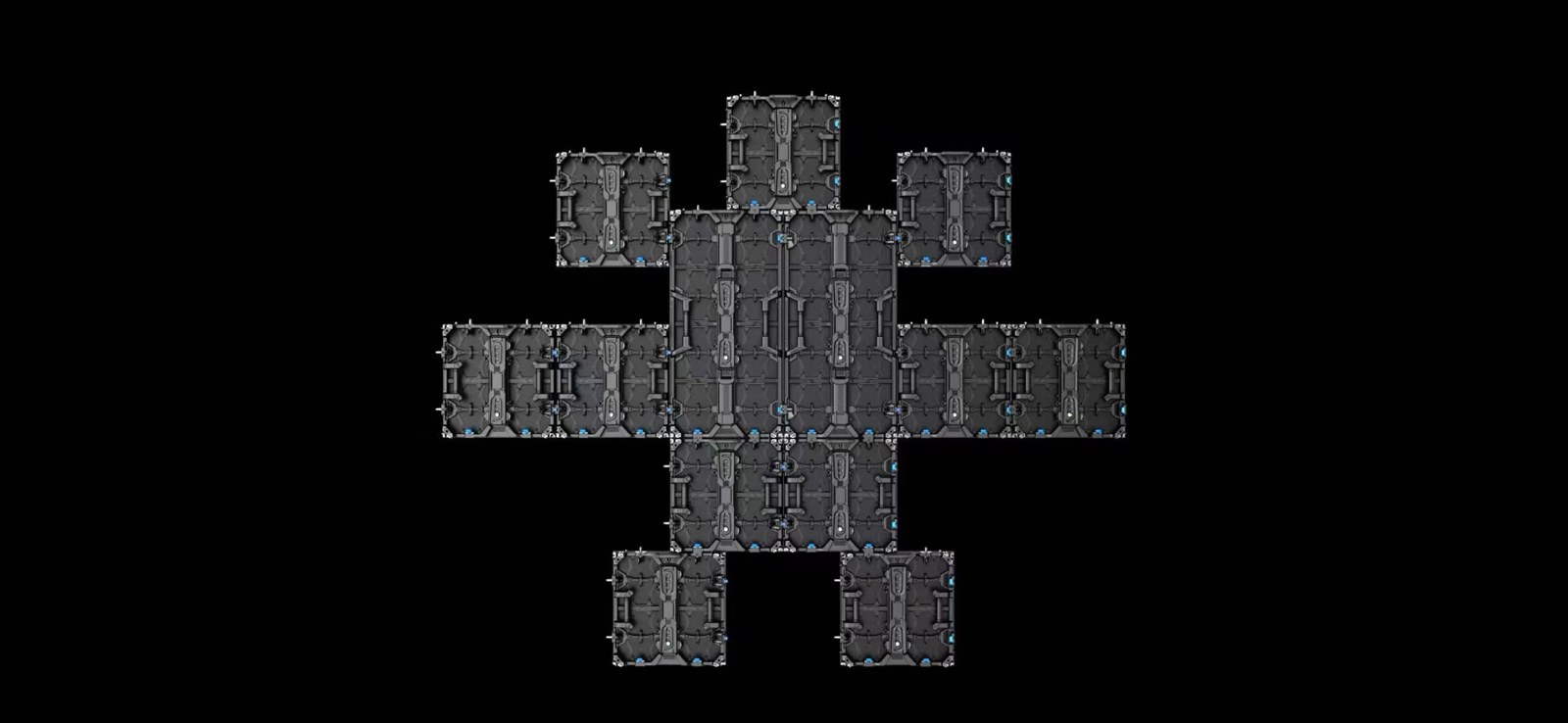
Cabinets are only part of the event kit. Ask how cables, accessories, shape-specific parts and spare components are packed and identified.
Review the packing proposal with the team responsible for transport and venue access. Confirm the labels and handling references needed so the next crew can identify the parts without relying on the person who placed the order.
What to check: Request a packing list and identify the cases or packages for layout-specific accessories and spares.
6. What must be approved before dispatch?
Drawing approval, content review, inspection and dispatch are separate checkpoints. Agree the required information at each stage and who can approve it.
If the screen will be used for a particular event, share the target date and delivery destination early. Confirm the actual project schedule and delivery scope with RUILED rather than treating a general delivery statement as an event-specific commitment.
What to check: Document the approved configuration, acceptance checks, packing, handover information and agreed schedule.
What to settle with the project team
| Planning question | Information to share |
|---|---|
| Shape | Dimensioned outline and required viewing faces |
| Installation | Stage plan, support method and access restrictions |
| Operation | Sample content, signal sources and crew workflow |
| Transport | Handling, packing and accessory identification |
| Handover | Approved drawings, inspection scope and schedule |
Before you order
- Dimensioned shape and cabinet arrangement reviewed
- Support and installation responsibilities assigned
- Assembly sequence and accessory list understood
- Pixel layout and content ownership agreed
- Packing, labels and spare-parts scope confirmed
- Approval, inspection and delivery checkpoints recorded
Start with your shape sketch, stage plan, sample content and event destination. RUILED can use these to discuss the product format and the information needed for a layout proposal.
Keep planning your project.
All articles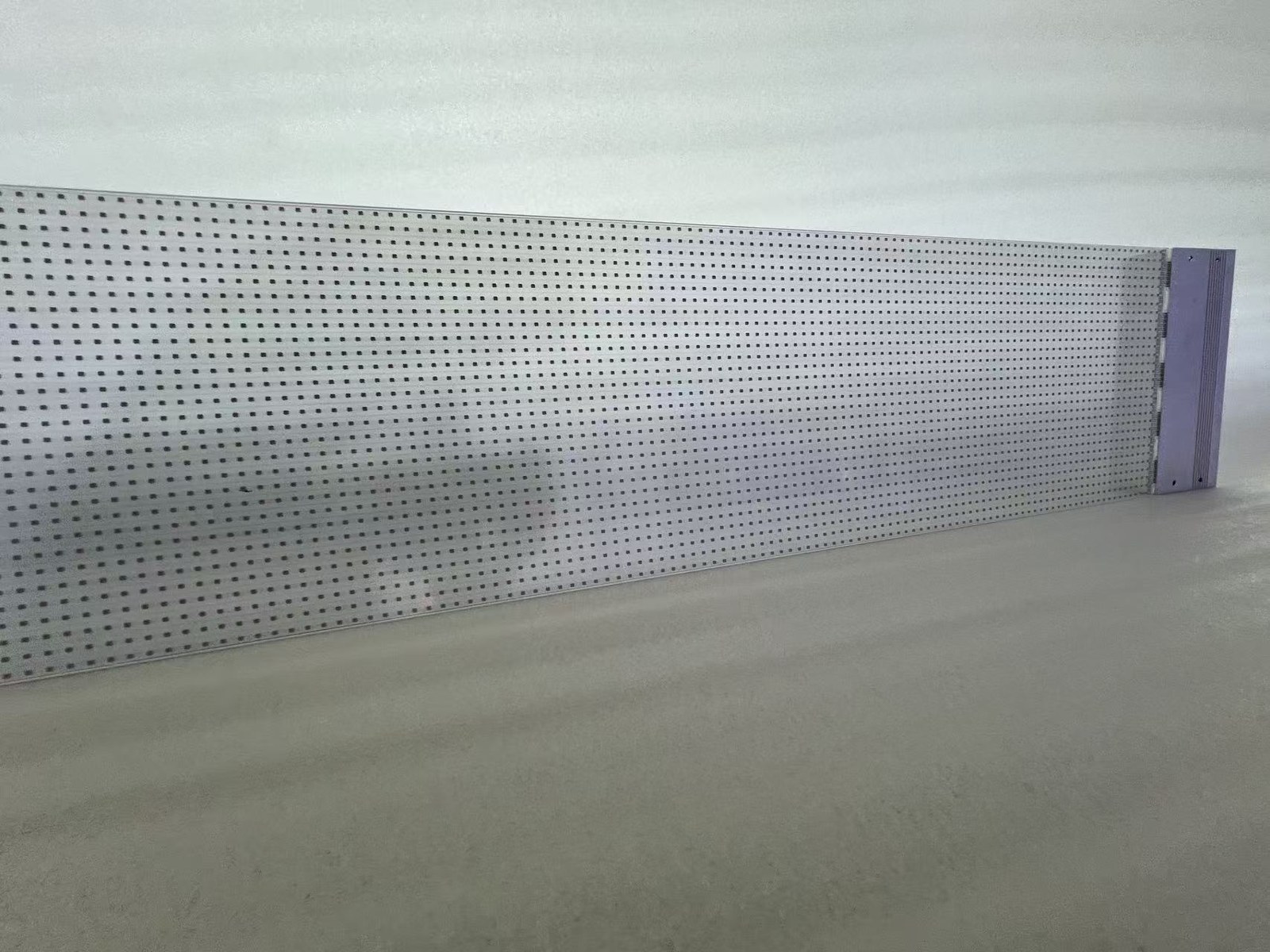
Transparent LED Film for Storefronts: 6 Questions Before You Order
Make the glass, viewing conditions and installation plan part of the buying decision.
Read guide
LED Poster, Reception Counter or Lectern: Which Fits Your Space?
Choose around the visitor journey, content and daily operation—not just the product photograph.
Read guideSTART A CONVERSATION
Get a configuration
for your project.
Tell us where the display will be used, its approximate size and the project country. Add your target date if known. You can enquire before the specification is complete.
Send an inquiry
After you send, our team will review your requirements and contact you to clarify the details and next steps.
Please read our privacy notice before sending personal information.