
FIND YOUR NEXT STEP
Search RUILED
A customer question, paraphrased: “The LED screen I bought elsewhere was much cheaper. Why, after a few years, does it seem to have cost me more than buying from you?”
Our answer: Paying for the screen is the beginning of ownership. Electricity bills, replacement parts, service visits and the work needed to keep the display running can continue for years. The purchase price is one line in that budget.
That conversation raises a useful buying question: what will it cost to own and operate this particular display over the period you intend to use it? A lower-priced display can still be the right purchase. To judge it fairly, compare documented configurations and the same operating assumptions—not price alone.
In this guide
- “What should I include besides the purchase price?”
- “Can a difference in electricity really change the comparison?”
- “If it is under warranty, why would repairs still cost me?”
- “Why does maintenance access affect what I spend?”
- “What do cabinet materials and heat management have to do with it?”
- “What about the cost when the screen is not working?”
- “So should I always buy the more expensive screen?”
1. “What should I include besides the purchase price?”
Begin with the installed project: display, control equipment, structure, cables, commissioning and any other agreed work. Then list recurring electricity, planned maintenance and the parts and service costs you may need to budget. If your project requires paid software or separately powered equipment, record those too.
Use the same ownership period for both proposals. An initial planning formula is: total ownership cost = equipment and installation + operating energy + maintenance and parts + agreed additional service costs. Track potential interruption costs separately and explain the assumptions. Do not enter an invented failure rate or guaranteed lifetime just to complete a spreadsheet.
What to check: Ask both suppliers for the same installed scope and a clearly stated operating-cost basis.
2. “Can a difference in electricity really change the comparison?”
It can, particularly when a display runs for many hours. Compare average consumption for the exact configuration, with the same operating conditions and units. A W/m² figure needs display area; a W/unit figure needs quantity. Maximum rated power serves a different purpose and should not replace the average in a routine energy estimate.
Consider a purely illustrative comparison: a confirmed average-power difference of 60 W/m² across a 20 m² display, operated 10 hours per day for 300 days, gives 3,600 kWh difference per year. At an example USD 0.15/kWh, that is USD 540 per year or USD 2,700 across five years, with no tariff change assumed. These are hypothetical inputs, not a RUILED-versus-competitor test or a promised saving.
Under those assumptions, an additional USD 2,000 purchase cost would be offset by the energy difference in about 3.7 years. Change the operating hours, actual power difference or tariff, and the result changes. Use your own configuration and schedule before drawing a conclusion.
What to check: Request comparable average-power data and check the calculation against your local electricity rate.
3. “If it is under warranty, why would repairs still cost me?”
Because warranty coverage and the complete cost of a service event can be different. A replacement part may be covered while local labour, transport, customs handling, access equipment or a technician’s visit remains the buyer’s responsibility. The answer depends on the written agreement.
RUILED provides a 1-year warranty for outdoor displays and a 3-year warranty for indoor displays, both from shipment. Return-to-factory repair, video assistance and remote technical support are available; freight costs are borne by the customer. Confirm the applicable coverage and any local service costs for the case.
What to check: Compare written coverage, claim procedure and cost responsibilities—not only the number of warranty years.

4. “Why does maintenance access affect what I spend?”
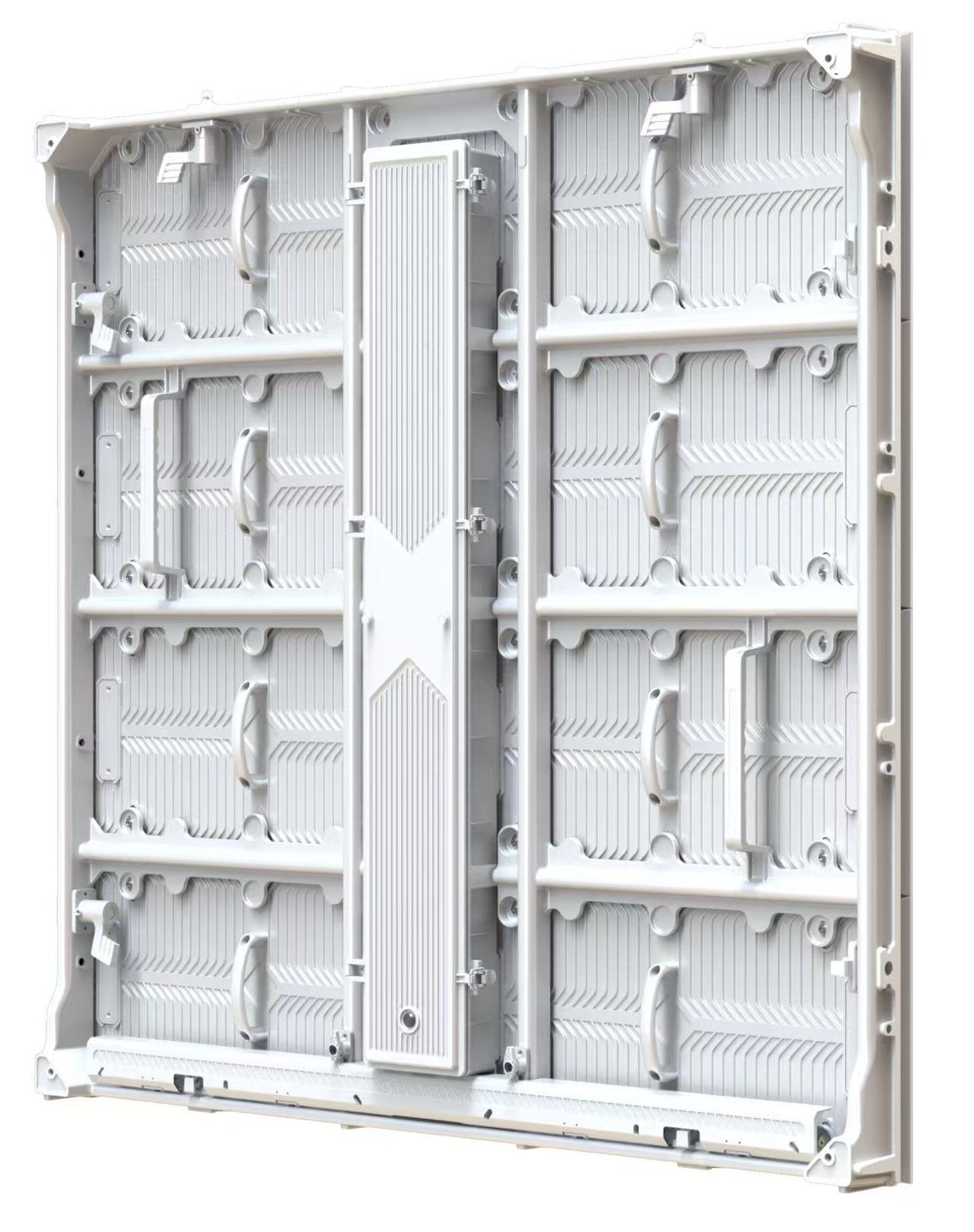
Think through one component replacement after the screen is installed. Can the service team reach it, identify the correct part and remove it through the available space? Would the work require opening finished joinery, arranging access equipment or moving other fixtures? Ask those questions while the layout can still be changed.
Review modules, power components, receiving equipment and connections separately. A front-service label does not describe every service task. Ask for the selected cabinet’s procedure, the required working space and compatible spare-part identifiers. Service labour and access needs are project-specific; a product photograph cannot price them.
For current warranty periods, working hours and first-response times, see RUILED service and support.
What to check: Review a realistic replacement procedure and assign local labour, access and spare-stock responsibilities.
5. “What do cabinet materials and heat management have to do with it?”
They belong in the technical review, but a material name alone is not a lifetime-cost calculation. Ask what the proposed cabinet and module construction is, how heat is managed in that configuration, and what installation conditions the design requires. Show the supplier the actual site, surrounding enclosure and available service space.
LED component manufacturers document that operating temperature can affect component performance and life. That principle is a reason to ask for configuration-specific evidence; it does not prove a particular RUILED screen lasts longer than another product. Do not transfer a component’s life figure or temperature limit directly to the finished display.
For an all-aluminium proposal, review the actual construction, equipment arrangement and installation requirements together. Ask for relevant thermal or operating-test information with the conditions stated. Claims such as “better heat dissipation” need a defined comparison before they can support a cost or reliability conclusion.
Technical background: Cree LED’s thermal-management application note discusses its XLamp components. It is not a test report for RUILED display products.
What to check: Compare drawings, declared materials, operating requirements and relevant test evidence for the actual product.
6. “What about the cost when the screen is not working?”
A service event can affect more than the repair budget. A rental company may need an alternative display for an event; a retail team may need to change a campaign. Identify what the screen does for your business and whether you need a backup plan.
Keep those possible costs separate from confirmed expenses. Do not assume every interruption causes a fixed amount of lost revenue or that a more expensive display never fails. Instead, compare service access, available spares, fault-reporting procedures and the support scope that can be written into the order.
What to check: Describe the business consequence of an interruption and agree a proportionate service plan.
7. “So should I always buy the more expensive screen?”
No. A higher price is not proof of lower long-term cost. The right comparison is between configurations that meet your application, with evidence for the differences and a clear account of what each quotation includes.
Ask the supplier to explain what the additional price buys: a different configuration, included equipment, construction, service access, parts or agreed support. If those differences do not matter to your site, or cannot be supported, do not assume they create value. Choose the proposal whose complete scope and likely operating costs you can understand and verify.
What to check: Make the buying decision from the complete project, documented differences and your operating plan.
A comparison sheet for the next quotation
| Cost or design item | What to request from each supplier |
|---|---|
| Installed purchase cost | Selected model, complete display, controller, structure, accessories and installation scope |
| Electricity | Comparable average consumption with units, settings or test basis, and your hours and tariff |
| Warranty | Coverage, exclusions, claim steps and responsibility for freight, labour and access |
| Maintenance | Component access, replacement procedure, part compatibility and spare quantities |
| Materials and heat | Declared construction, site requirements and relevant configuration-specific evidence |
| Business continuity | Diagnostic process, local service responsibilities and any agreed backup arrangements |
Before you order
- Use the same display task and comparison period
- Ask for an itemised installed-project quotation
- Estimate electricity from comparable average-power values
- Read warranty coverage and service costs together
- Review construction, heat management and component access
- Keep confirmed costs separate from uncertain future costs
Have two quotations that are difficult to compare? Send RUILED the proposed configurations, display size, operating schedule and project country. We can help identify the scope and technical questions to resolve before you decide.
Keep planning your project.
All articles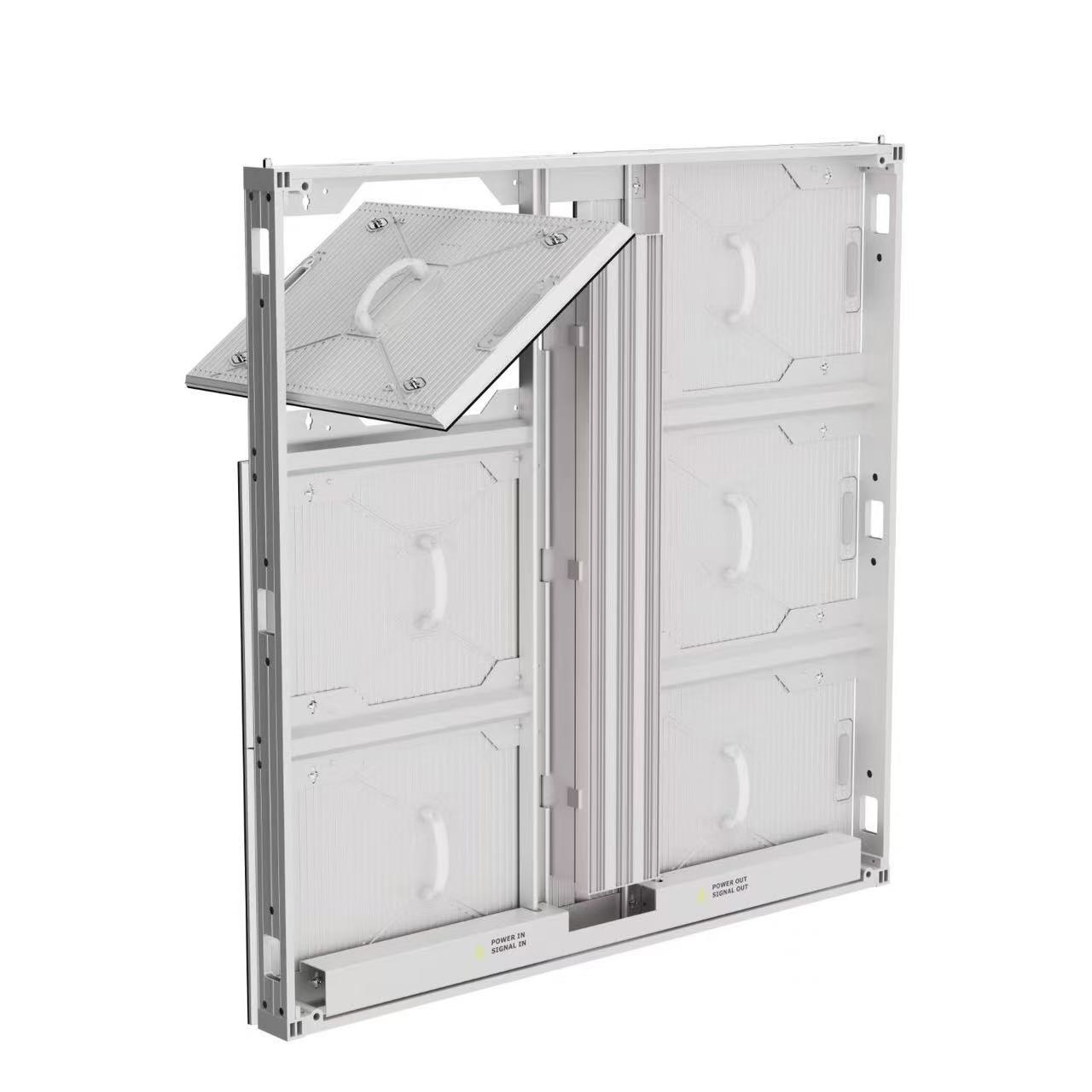
LED Display Quotes: 6 Checks Before You Compare Prices
Find equipment omissions, operating-cost assumptions and responsibilities before choosing a supplier.
Read guide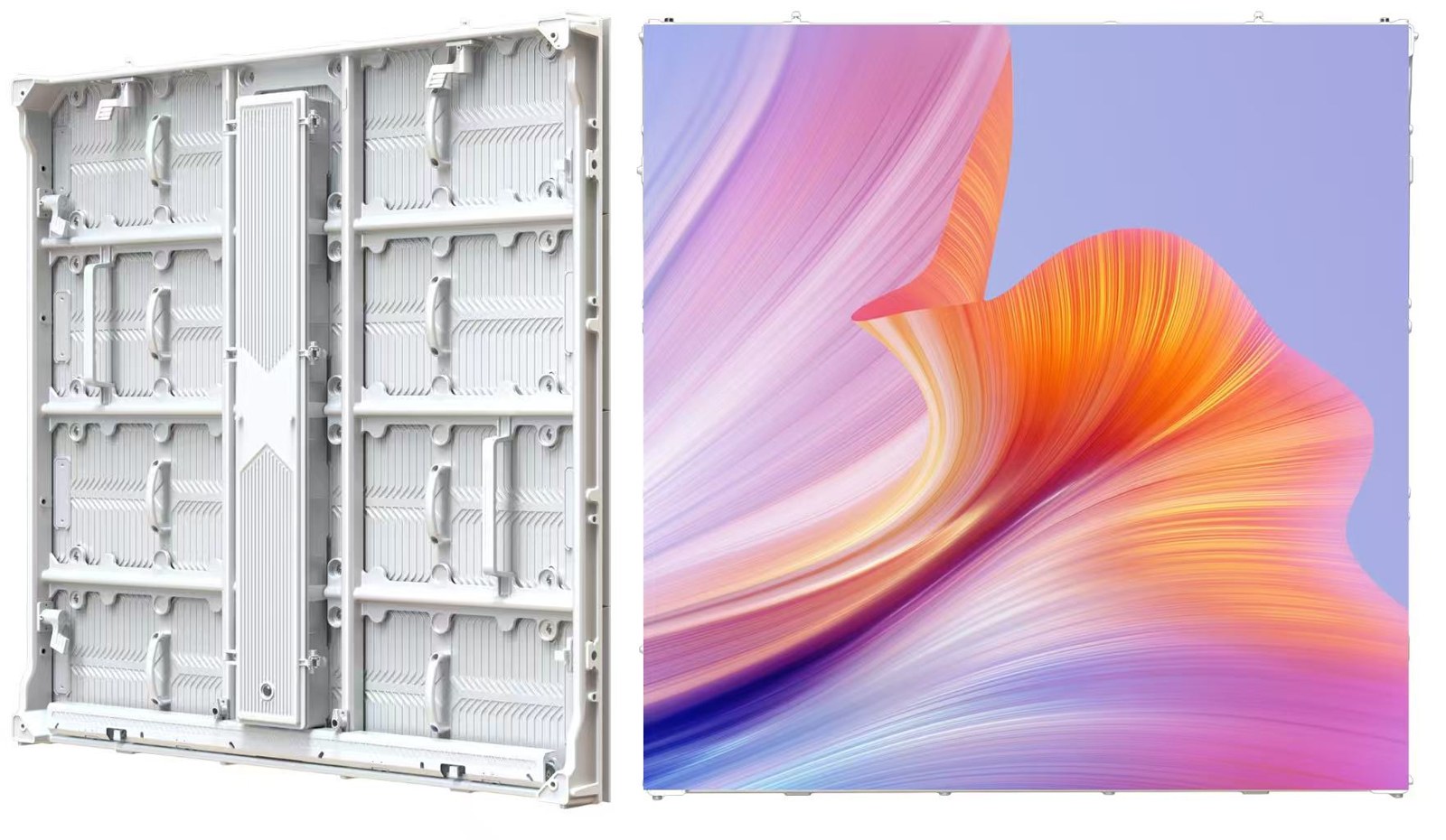
How Much Electricity Does an LED Display Use?
Calculate screen energy and cost from average power, with worked examples and the limits of the estimate.
Read guideSTART A CONVERSATION
Get a configuration
for your project.
Tell us where the display will be used, its approximate size and the project country. Add your target date if known. You can enquire before the specification is complete.
Send an inquiry
After you send, our team will review your requirements and contact you to clarify the details and next steps.
Please read our privacy notice before sending personal information.