FIND YOUR NEXT STEP
Search RUILED
The panel demonstration looks convincing. Your storefront has glass divisions, daylight, a background full of products and visitors approaching from different directions. Before ordering, you need to know how the proposed display will work in that setting.
For shopfitters, signage integrators and commercial buyers, transparency is one part of the brief. These six questions connect the display choice to the window, the audience and the installation work.
In this guide
1. What must a visitor actually see?
Describe the content and the viewing position first. Someone walking along the street, looking through the window from inside, or approaching a reception counter may need different things from the display.
Explain whether the priority is readable text, product imagery or a visual effect, and how much of the view through the glass you want to retain. Share sample content and ask for review against the proposed configuration.
What to check: Mark the intended audience positions on a site photo and provide the type of content you plan to show.
2. How much of the glass can be used?
Measure each usable glass section rather than sending only the overall storefront width. Show frames, doors, mullions, obstructions and the boundaries of the required display area.
Provide photos from both sides and identify any relevant information about the glass and supporting surface. Ask the supplier to confirm substrate conditions and preparation requirements for the proposed product.
What to check: Request a layout matched to the measured sections; do not treat every glass surface as suitable before review.
3. Have you reviewed it under the conditions that matter?
Take site photos at the times when the display will operate. Include the background behind the glass, surrounding light and the angle from which people will view it.
Ask to review the selected pitch, brightness setting and sample content for those conditions. If a sample or demonstration is needed, agree what it should establish. A video made in another environment does not establish the result at your storefront.
What to check: Use a relevant viewing review or sample check to assess your chosen configuration, not only a close-up panel image.
4. Is film the right transparent product format?
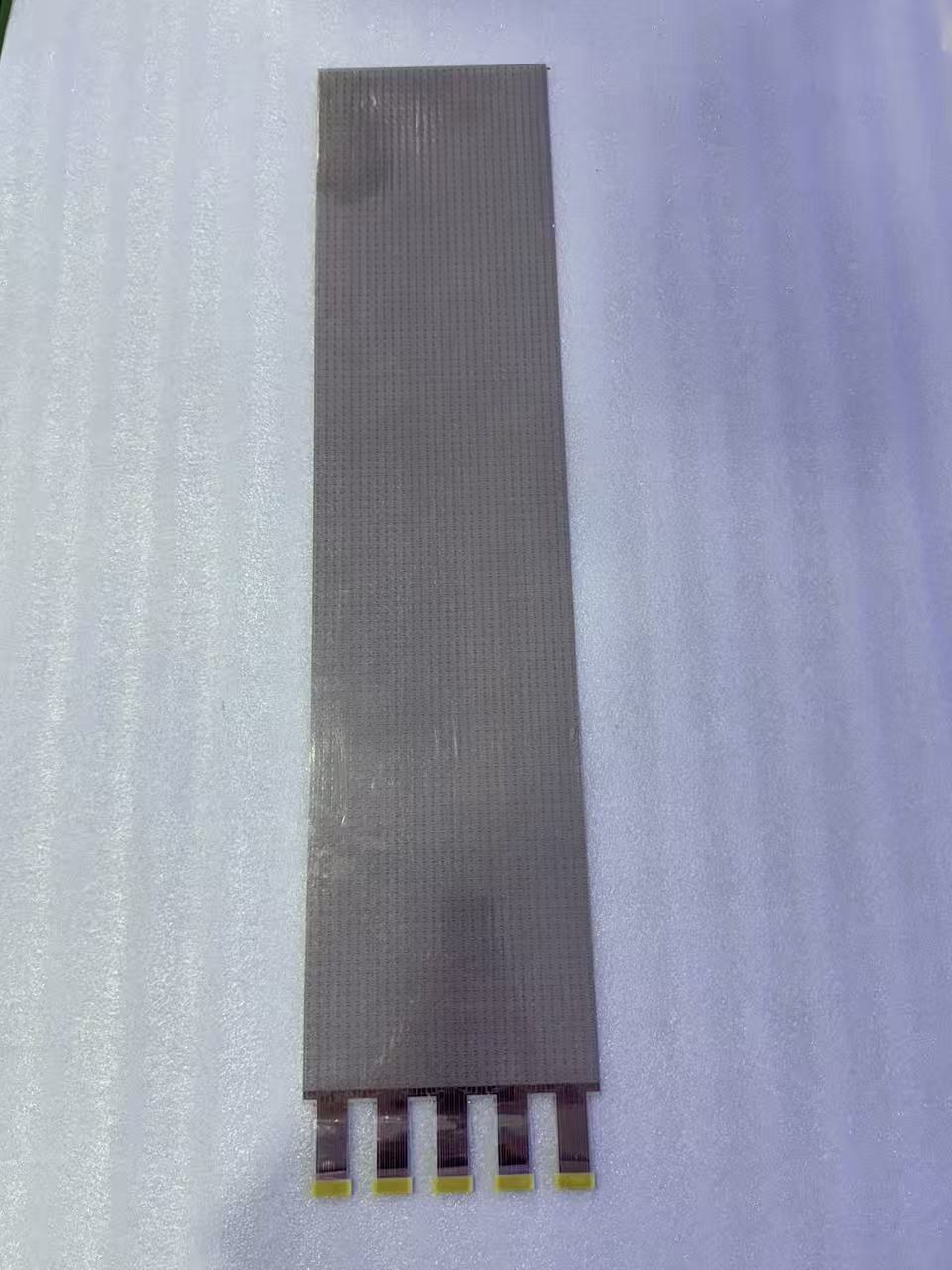
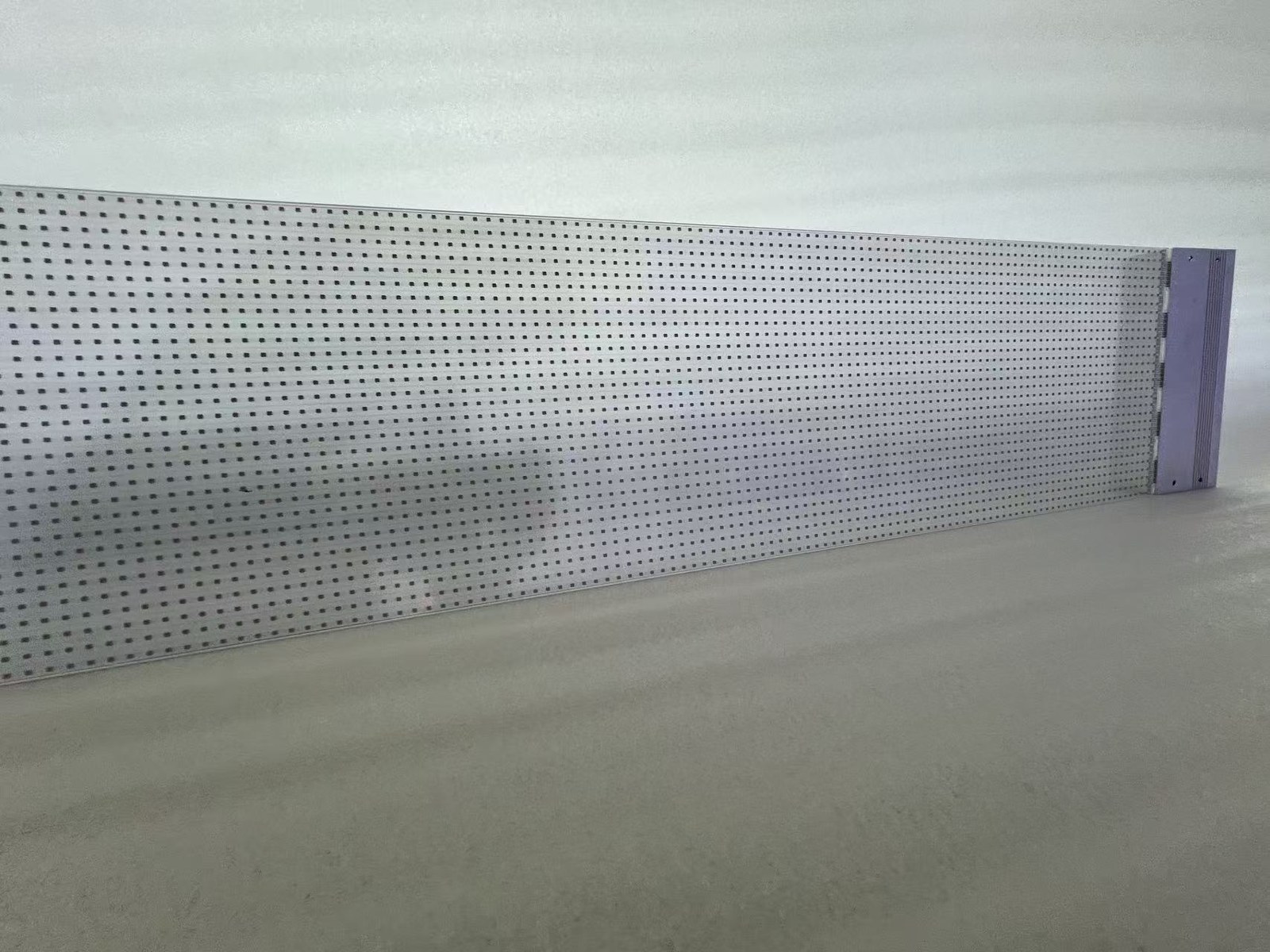
Transparent LED film, holographic transparent panels and transparent rental cabinets are separate products in the RUILED range. Their names alone do not tell you which suits the site.
Compare the proposed fixing method, required supporting surface, cabinet or panel layout, movement between locations and service access. Ask for the data sheet and installation information of the specific model being proposed.
What to check: Choose the product format around the installation requirements and confirm the model before comparing specifications.
5. Where do the power, signal and service routes go?
The visible display is only one part of the installation. Identify locations for control equipment, power and signal routes and any access needed to maintain the system.
Confirm who handles glass preparation, product installation, cabling and commissioning. Have the responsible local professionals review their electrical and installation scope. Ask what must remain accessible after the fit-out is finished.
What to check: Mark equipment locations and cable routes on the drawing, and assign each installation responsibility.
6. What is included in the final proposal?
Request the selected model, layout, equipment, accessories and installation responsibilities together. Identify the documents, packing and support information needed for the project.
Agree any sample review, inspection and acceptance scope before placing the order. Where certificates or other approvals are required, confirm their applicability to the selected product and destination. Commercial and service terms need to be confirmed in the quotation and order.
What to check: Resolve the open layout, equipment and responsibility items in writing before approving production.
A quick site-information checklist
| Site information | Why to include it |
|---|---|
| Glass divisions and obstructions | Define the usable display area and layout |
| Audience and sample content | Explain the intended viewing result |
| Operating-condition photos | Support a relevant configuration review |
| Equipment and access routes | Plan power, signal and maintenance |
| Responsibility list | Identify supplier work and local installation work |
Before you order
- Audience positions and intended content defined
- Usable glass sections measured and photographed
- Viewing conditions reviewed for the proposed configuration
- Product format and model confirmed
- Equipment locations and service routes planned
- Included equipment, documents and installation responsibilities agreed
Send RUILED front and rear glass photos, the dimensions of each usable section, sample content and the project country. A complete specification is not required to begin the discussion.
Keep planning your project.
All articles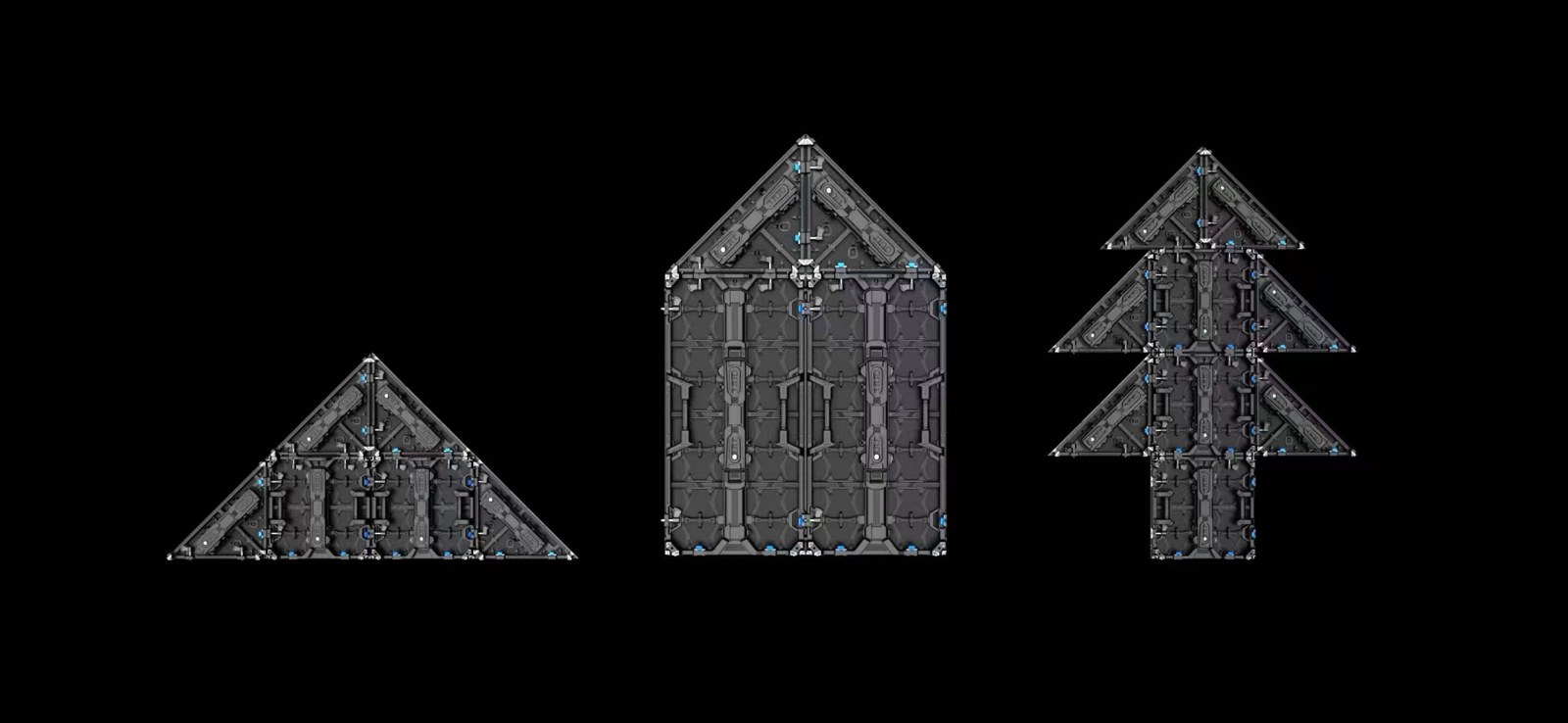
Creative Rental LED Screens: 6 Questions Before Your Next Event
Plan the shape, crew workflow, content and transport together.
Read guide
LED Poster, Reception Counter or Lectern: Which Fits Your Space?
Choose around the visitor journey, content and daily operation—not just the product photograph.
Read guideSTART A CONVERSATION
Get a configuration
for your project.
Tell us where the display will be used, its approximate size and the project country. Add your target date if known. You can enquire before the specification is complete.
Send an inquiry
After you send, our team will review your requirements and contact you to clarify the details and next steps.
Please read our privacy notice before sending personal information.